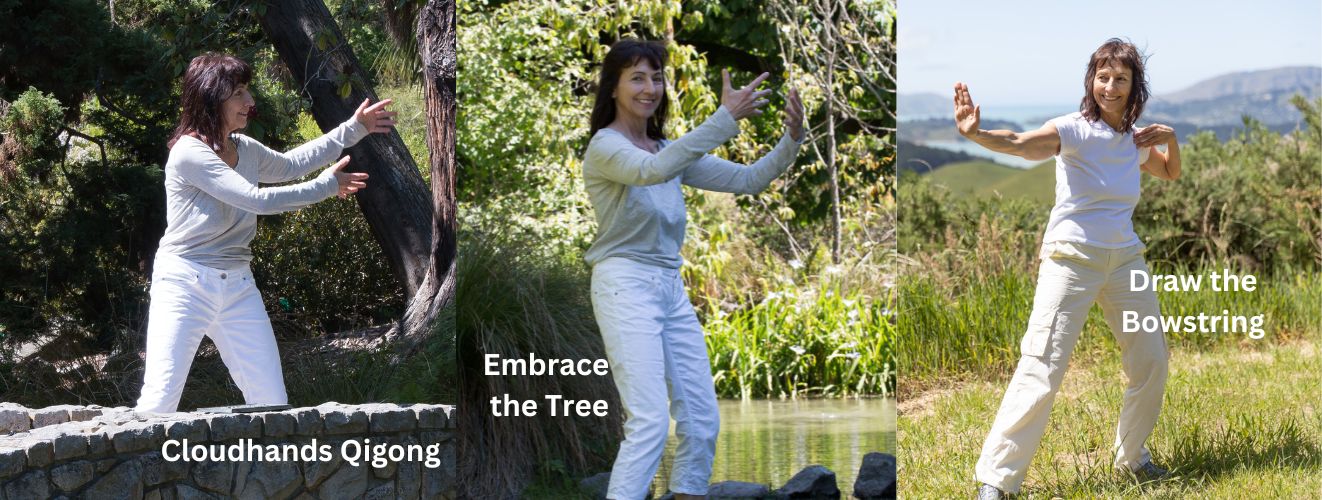
Qigong / Tai Chi Breathing
Breathing in Qigong/Tai Chi is primarily Abdominal Breathing. It helps to expel carbon dioxide and increase oxygen intake.
Diaphragmatic Breathing (also called abdominal breathing) activates the large muscle at the base of the lungs to maximise oxygen intake.
Proper breathing is crucial for our health. The oxygen in our blood is the foundation of our metabolism, circulation, and healing capacity. A drop in oxygen levels makes us vulnerable to illness, negative moods, and reduced physical and mental performance.
Diaphragmatic breathing is an effective, scientifically proven method for regulating emotions
The interaction: Your emotions determine how you breathe (e.g., shallow chest breathing when anxious), and your breathing sends direct signals to your brain, thus influencing your mood.
Abdominal breathing, for example, promotes calmness.
Shallow breathing locks the body in sympathetic (stress) mode. Diaphragmatic breathing acts as a physical circuit breaker, overriding panic and returning you to a state of calm.
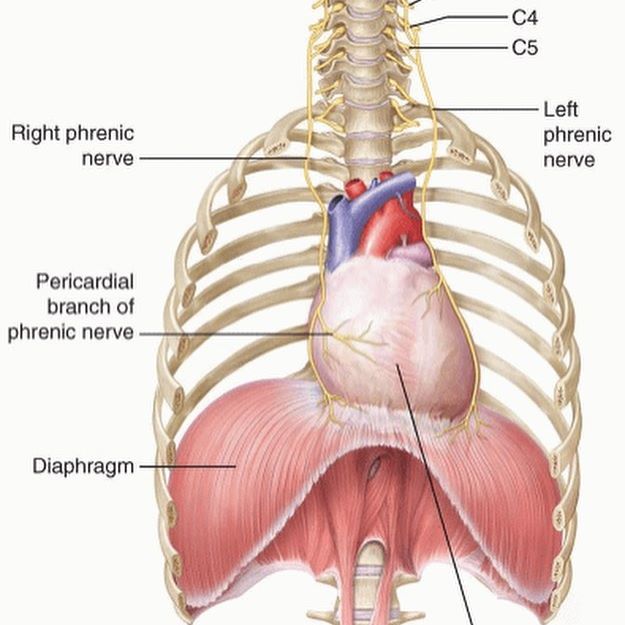
Anatomy of the Diaphragm: The Body's Internal Bridge
The diaphragm forms the connection between the upper and lower body. It is a dome-shaped layer of muscle located directly below the lungs and above the liver and digestive organs. It is connected to the pericardium, which surrounds and protects the heart. The diaphragm and heart are closely connected and work synchronously to maintain circulation and respiration.
The diaphragm serves as the primary respiratory muscle, while the heart acts as the central pump. Together, they regulate blood pressure, support fluid transport, and ensure oxygenation.
The diaphragm is not just a muscle, it’s a rhythmic organ of flow that connects your lungs, heart and lymphatic system.
The Diaphragm and the Lymphatic System
Your diaphragm is the heartbeat of your lymphatic system.
With every breath, it acts as a vacuum pump, drawing lymph upward from the abdomen toward the thoracic duct.
The diaphragm is more than just a breathing muscle – it's the body's spiritual pacemaker.
It keeps body, mind, and emotions in harmony.
When it moves freely, lymph flows, digestion is stimulated, and the heart feels lighter.
Deep Breathing
Breathing detoxifies, rids the body of toxins, and strengthens the immune system.
Approximately 70% of toxins are eliminated through respiration. Carbon dioxide is a natural metabolic byproduct. Deep breathing helps the body process it more effectively.
Breathing exercises in Qigong
Warm-up: The deep breathing (full body breath) brings more oxygen in our bodies. It helps to bring us in a physical and emotional alignment. E. G. Eagle Breath; Spinal Cord Breathing, Lung cleanser Qigong a.m.
After the warm-up (about 10 - 25 minutes), we are ready for the practice.
In Qigong / Tai Chi, abdominal breathing is synchronised with slow, conscious body movements, which promotes mindfulness and physical stability and can contribute to emotional balance.
Start with Qigong now and check out the FREE mini-series of Qigong videos with Gabrielle:
https://vimeo.com/showcase/12035457